Authentic Intelligence vs. Artificial Intelligence
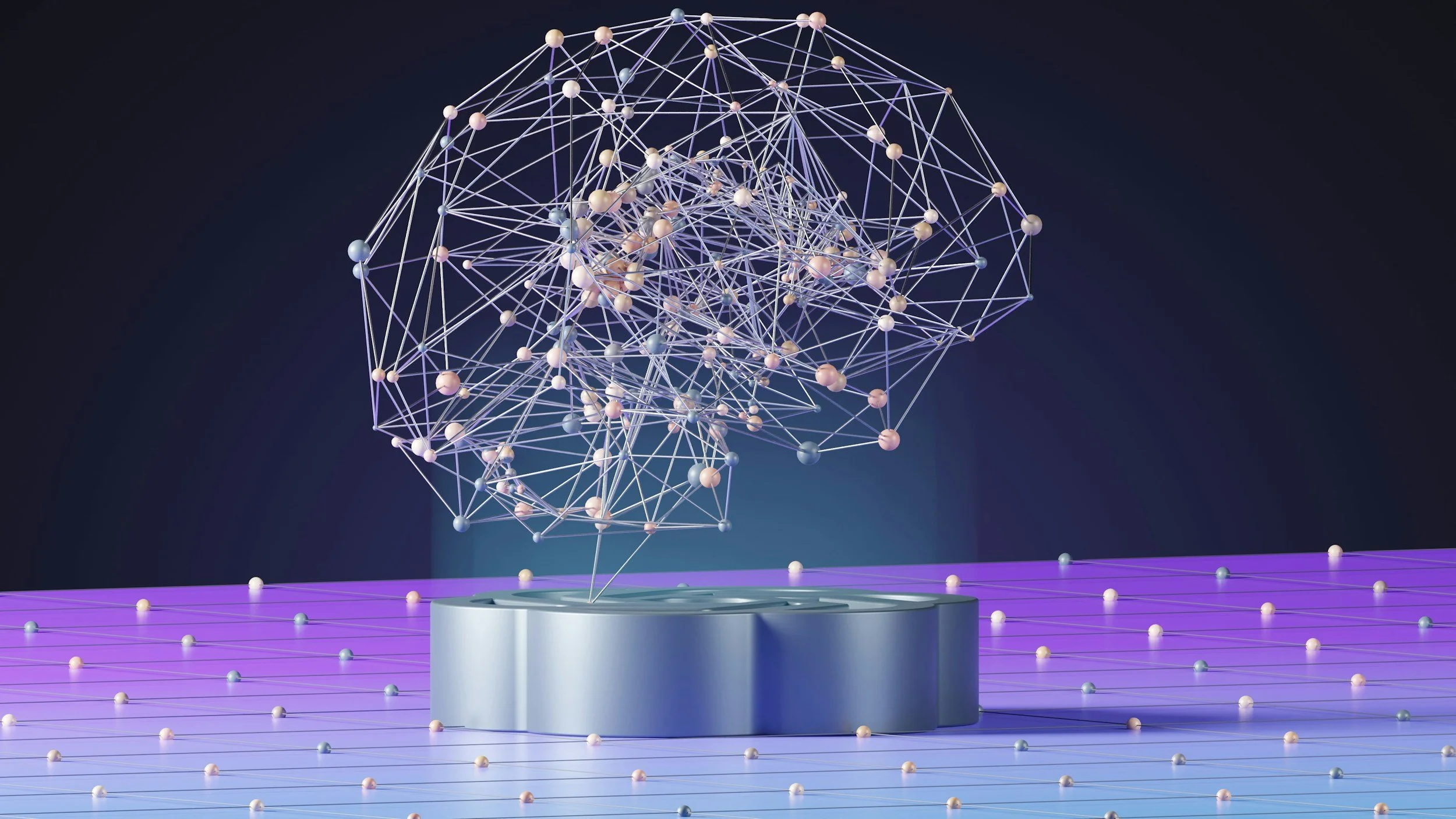
I’ve had a persistent question in my mind related to technology in schools lately:
Are we investing as much in authentic intelligence as we are artificial intelligence?
What I mean by this is, have we explored the depths of human intelligence that we want kids to master in their own minds, before jumping on the bandwagon of how artificial intelligence can make our lives easier? What kinds of critical thinking, emotional awareness, interpersonal communication skills, and more, must we establish first so that our students can think for themselves in an ever-increasingly complex and nuanced world? Have we rushed into embracing the newest advancement in technology, before stopping to think if we’ve created the foundation of human intelligence that AI can’t supplant?
This is not to say that artificial intelligence isn’t important. AI is here and must be included in our suite of educational tools. Students and adults absolutely need to know how to use it in ways that build their digital literacy. My recommendation to us as leaders in education is to intentionally develop people’s authentic/human intelligence as much or more than we are in artificial intelligence, as our job is to shape the minds of students. This is not a guaranteed skill set that results automatically from teaching to the standards, or “covering content”. We need to be more intentional and direct.
A few areas to consider:
Cognitive Intelligence
In what ways are we helping students develop independent critical thinking, cognitive creativity, and drawing connections between diverse subject areas?
Are we building students’ confidence and skills to generate project or writing ideas from within, before turning to technology for inspiration or other people’s ideas?
Are we providing opportunities for students to problem-solve, fail, and persevere in safe and supportive environments where they learn from their mistakes and grow as a result?
Are we helping students build the foundational skills of attention, blocking out distractions, meta-cognition, study strategies that utilize current learning science research (quizzing and spaced retrieval practice instead of highlighting and rereading)?
Emotional Intelligence
Are we teaching students (and staff) how to know when they are dysregulated emotionally, and how to pause before reacting harmfully to themselves or others?
Are we providing students (and staff) tools for emotional regulation, and effective communication?
How are we scaffolding skills in being aware of others’ emotional states, as an indicator of providing support?
In what ways are we allowing students (and staff) to develop skills to navigate conflict and different opinions with respect and peace?
Have we provided students (and staff) the brain science behind why emotions fundamentally affect a person’s ability to learn, and therefore if emotions are dysregulated then learning isn’t effective?
I believe that in order to successfully utilize artificial intelligence and other technologies in the best possible ways, we need to articulate what kind of authentic or human intelligence we aspire to develop in our students and staff FIRST. If we know what kind of intelligence we prioritize inside students’ minds, we can then use AI and other tools more strategically. Its use becomes more purposeful, as a supplement to the human intelligence, rather than a replacement.
As this relates to me personally in my work to translate neuroscience to education, I believe that outsourcing this insight work to AI reduces my mental sharpness and takes away the joy of my work. Finding unique connections between brain science research and educational practice is a core part of my job that I treasure, and don’t want to weaken my ability to do so by giving this away to AI. Thinking about these topics over months at a time, reading deeply about them in books and articles, and forming my own insights over time not only leads to more powerful connections but also builds my long-term memory more deeply. Can AI help me gather the most recent research articles that I need to read and pay attention to? Absolutely! Will I let it take credit for making meaningful recommendations to educators for which I need to understand and teach others? No.
I encourage you to reflect on the authentic intelligence that is most important to you as a leader in education, and use this language to communicate your vision to students, parents, staff, and colleagues. Show how human teaching and relationships is fundamental to cultivating this kind of intelligence, which allows AI and other technological tools to play a secondary role in achieving the broader purpose of education - empowering students to use their minds and hearts to achieve they future they choose for themselves.